
Security
October is Cybersecurity Awareness Month. A few simple steps can help you protect your personal information and keep your accounts more secure.
Phishing, vishing and other forms of fraud
Fraudsters use phishing emails, scam text messages, fraudulent websites, phone scams and other forms of financial fraud to steal personal information, banking credentials and account access. Learn how to recognize common fraud tactics, protect your accounts and report suspicious activity to OCCU.
Because when we work together, your finances and your information are doubly fortified against intruders.
Common scams to be aware of:
Common types of financial fraud
Scam name
How the scam works
Goal
Phishing
Vishing
Smishing
Skimming
Account takeover
Phone call
Text message
Card reader device
Stolen credentials
Steal credentials
Obtain personal information
Direct users to fake sites
Capture card data
Access financial accounts
Scam name |
How the scam works |
Goal |
|
|---|---|---|---|
|
Phishing |
|
Steal credentials |
|
|
Vishing |
Phone call |
Obtain personal information |
|
|
Smishing |
Text message |
Direct users to fake sites |
|
|
Skimming |
Card reader device |
|
|
|
Account takeover |
Stolen credentials |
Access financial accounts |
What are phishing, vishing and smishing?
Phishing is a scam in which criminals use fake emails, websites or messages to trick you into revealing personal information such as usernames, passwords or banking details.
Vishing (voice phishing) occurs when scammers call pretending to represent a trusted organization such as OCCU, the IRS or a law enforcement agency.
Smishing (SMS phishing) uses text messages that urge you to click links, download attachments or provide account information.
Protect yourself from fraud
We love getting to see and talk to our members. You’ll get the occasional email from us, and we’ll call you upon request. But we will never call, text or email asking for your PIN, password or your multifactor authentication code.
To protect yourself against scammers, please be highly suspicious when receiving phone calls or messages that direct you to provide credit card numbers, account information, verification codes or other personal information. If someone sends you a link, review the URL carefully to ensure it’s legitimate (MyOCCU, not My0CCU, for example) and when in doubt, navigate to the site in your web browser, rather than following the link.
Instead of providing any information, we advise you to contact the organization directly to verify the validity of the message (If the caller says they’re from OCCU, for example, hang up and call our offices.)
Signs of a scam
You may be dealing with a scam if someone:
- Demands immediate action
- Requests passwords or verification codes
- Threatens account closure
- Promises unexpected prizes or rewards
- Pressures you to click a link
Preventing identity theft
Identity theft occurs when someone uses your personal information to open accounts, access financial services or commit fraud in your name.
To reduce your risk:
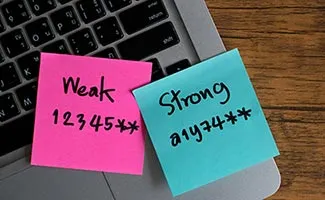
- Use strong, unique passwords.
- Enable multifactor authentication.
- Monitor account and credit activity.
- Shred sensitive documents.
- Avoid sharing personal information through unsolicited emails, texts or phone calls.
What is account takeover fraud?
Account takeover fraud occurs when criminals gain access to your online banking, email or financial accounts using stolen usernames and passwords.
Once access is obtained, scammers may:
- Transfer funds
- Change account information
- Make unauthorized purchases
- Lock legitimate users out of accounts
What to do if you become a victim of fraud
- Contact OCCU immediately.
- Freeze affected cards.
- Change passwords.
- Enable multifactor authentication.
- Monitor account activity.
- Place a fraud alert on your credit report.
Will OCCU ever ask for my password?
No. OCCU will not call, text or email you asking for your online banking password, PIN or multifactor authentication code.
What should I do if I receive a suspicious email?
Do not click links or download attachments. Contact OCCU directly using a verified phone number and report the message.
How can I tell if a text message is a scam?
Scam texts often:
Create urgency
Request personal information
Include suspicious links
Claim your account is locked
Always verify the sender before responding.
What should I do if I clicked a phishing link?
Immediately:
Change your password.
Monitor account activity.
Contact OCCU.
Run a malware scan on your device.
How do I report fraud to OCCU?
Call:
- Local: 541-687-2347
- Toll free: 800-365-1111
- Debit card fraud: 888-918-7313
- Credit card:
- Lost or stolen: 866.820.0254
- Regarding transactions: 855.755.6423
What is card skimming?
Card skimming occurs when a device installed on an ATM, gas pump or payment terminal captures card information without the cardholder's knowledge.
How can I protect myself from banking scams?
You can protect yourself by:
- Using strong passwords
- Enabling multifactor authentication
- Monitoring account activity
- Avoiding suspicious links
- Verifying requests directly with OCCU
How do I know if a website is legitimate?
Before entering personal information, verify the website address, look for secure HTTPS encryption and ensure you're visiting the official organization website.
What is multifactor authentication?
Multifactor authentication (MFA) adds an extra layer of security by requiring a second verification method, such as a text message code or authentication app.
Can scammers spoof OCCU's phone number?
Yes. Fraudsters can manipulate caller ID to make it appear they are calling from a trusted organization. If you're unsure, hang up and call OCCU directly.
What information should I never share?
Never share:
- Passwords
- PINs
- MFA codes
- Secure access codes
- One-time passcodes
Report suspicious activity
If you have any concerns or questions about any email, phone call, text message or any other suspicious communication from OCCU, do not hesitate to call us:
Local: 541.687.2347
Out of area: 800.365.1111
To report fraud on your debit card: 888.918.7313

Fraud reporting timeline
If you suspect fraud:
How OCCU communicates with members
OCCU may contact you regarding account activity, loan applications or member service requests. However, OCCU will not ask for:
- Online banking passwords
- PIN numbers
- Multifactor authentication codes
- Secure access codes
- Any account information, including account numbers or passcodes via email or text
If you receive a request for this information, contact OCCU directly.